





[ad_1]
Ship design, and particularly low- or no-emissions expertise on ferries and cruise ships was the dominant theme among the many readers of Passenger Ship Know-how in 2022, a lot because it was in 2021.
From MSC’s pilot check of strong oxide gasoline cells on board its MSC Europa newbuild to the potential ’silver-bullet answer’ to decarbonisation within the type of thorium and modular molten salt nuclear reactors, our most learn tales present that environmentally acutely aware design is a should for the cruise and ferry sectors.
To learn every story in full, click on on the headline, the picture or the hyperlink on the finish of the textual content.
Join Riviera’s weekly sequence of technical and operational webinars and attend our conferences in 2023:
1. MSC cruise ship demonstrates fuel-cell expertise
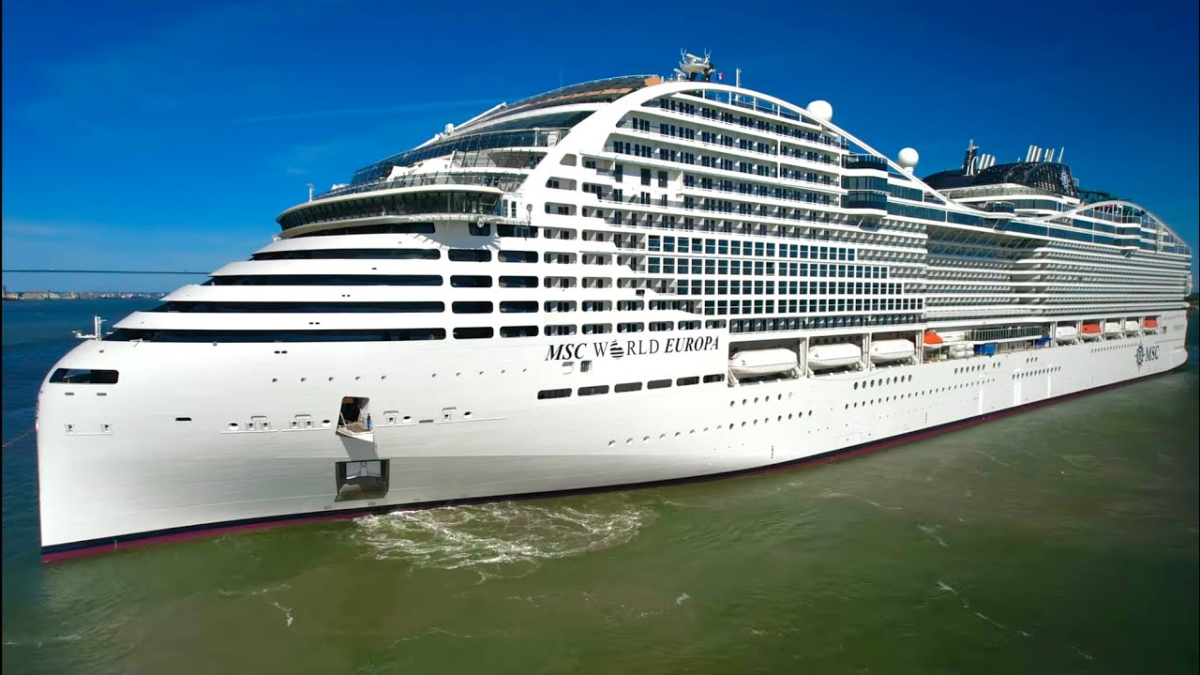
MSC Cruises’ newest ship, MSC World Europa, demonstrates the corporate’s technique to decarbonise and its use of a number of gasoline and technological options in its efforts.
MSC Cruise Administration (UK) head {of electrical} engineering Steven Frey defined to delegates at Riviera Maritime Media’s annual Maritime Hybrid, Electrical & Hydrogen Gas Cells Convention in Bergen, Norway, that the ship is powered by LNG and has a strong oxide gasoline cell as a part of a pilot challenge.
Learn the story
2. A inexperienced maritime future: time to speak thorium
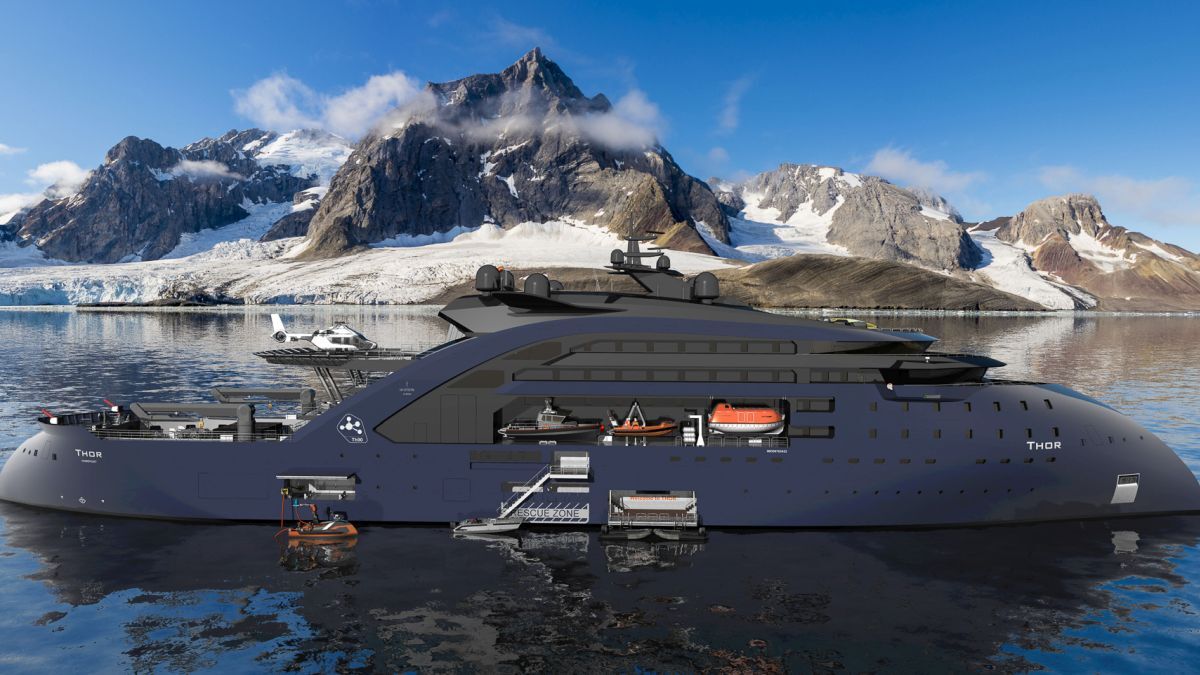 Is there a confirmed, ‘silver-bullet answer’ ready to be explored? Institute for Vitality Know-how principal engineer Robert McDonald says it’s time to shine the highlight on the potential of thorium and small modular reactors.
Learn the story
3. EU-backed consortium explores utilizing strong oxide gasoline cells in cruise ships
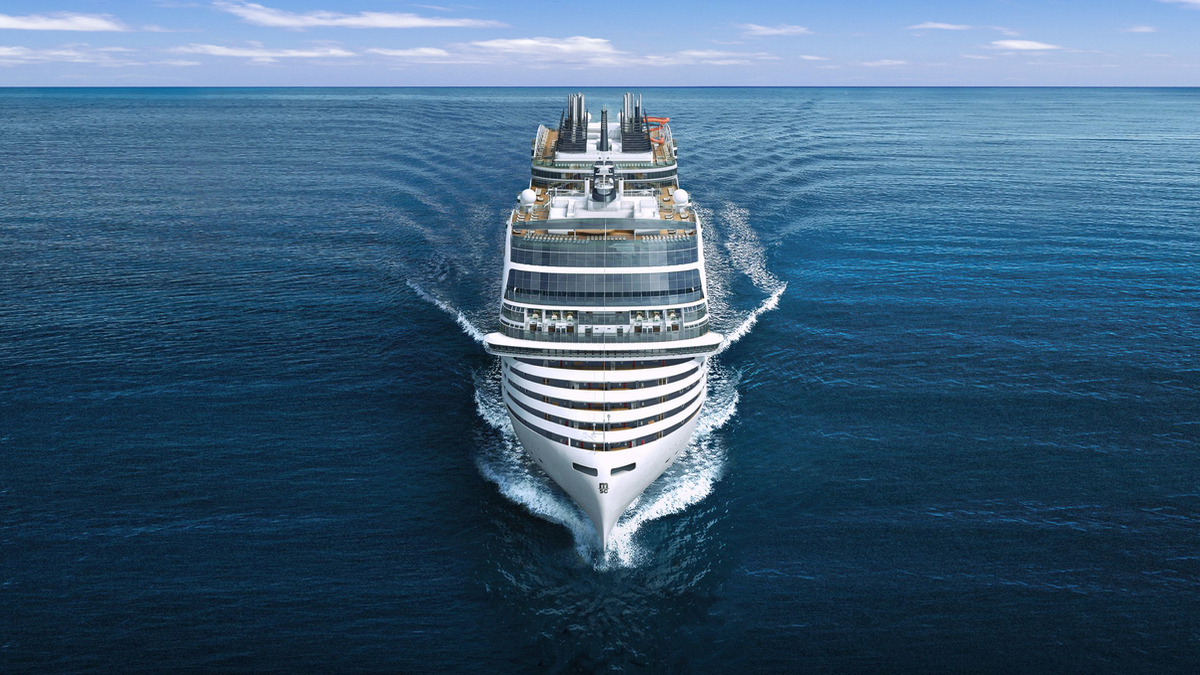
A brand new EU-funded challenge is trying to decarbonise cruise transport by demonstrating the effectiveness of strong oxide gasoline cells to supply warmth and energy aboard cruise ships. The challenge, managed by the German Aerospace Centre, has been funded to the tune of roughly €14M (US$14M) and can group up with Norwegian startup Alma Clear Energy.
Learn the story
4. Wärtsilä and Stena to construct the world’s largest hybrid ferry vessels
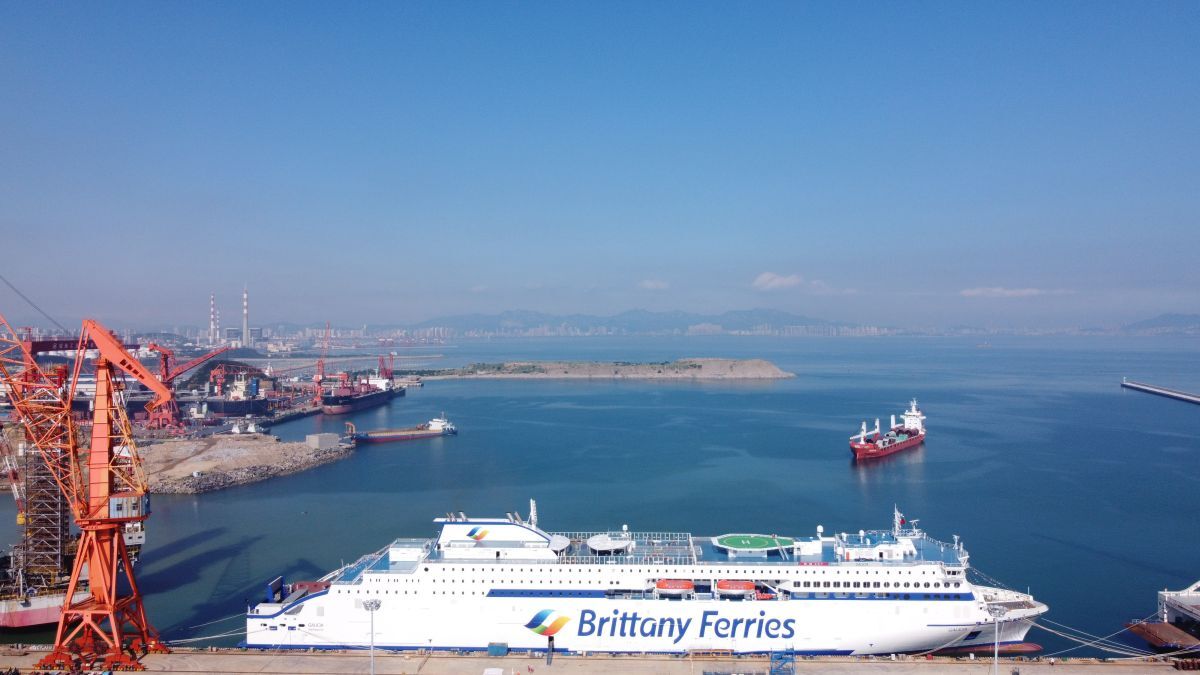
Wärtsilä will provide its hybrid propulsion system for 3 ropax vessels presently being constructed for Stena RoRo. The ships have been designed and developed by Stena RoRo and shall be long-term chartered to Brittany Ferries for operation between Portsmouth within the UK and the French ports of St Malo and Caen. Two of the ferries could have a battery capability of 11.5 MWh, making them the marine business’s largest hybrid vessels to this point. This battery energy is roughly double that used presently for hybrid propulsion.
Learn the story
5. Uber Boat by Thames Clippers constructing UK’s first hybrid high-speed passenger ferries
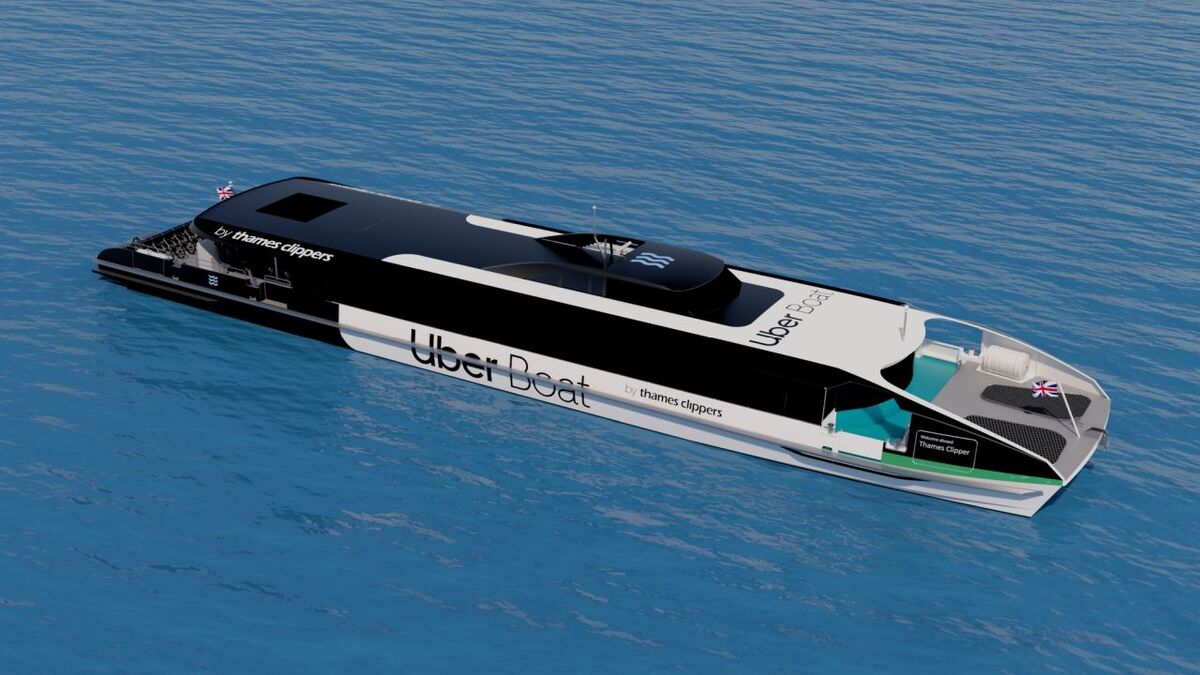
Being constructed at Wight Shipyard on the Isle of Wight, the ferries are set to launch in London in 2022 and 2023. The hybrid design will enable the brand new vessels to function solely on battery energy whereas transporting commuters and sightseers via the capital and can recharge whereas utilizing biofuel energy exterior of central London. The expertise will not be reliant on shore-based charging; the brand new boats will use extra energy from the biofuel engines to recharge their batteries for the central London stretch.
Learn the story
[ad_2]
Source_link


